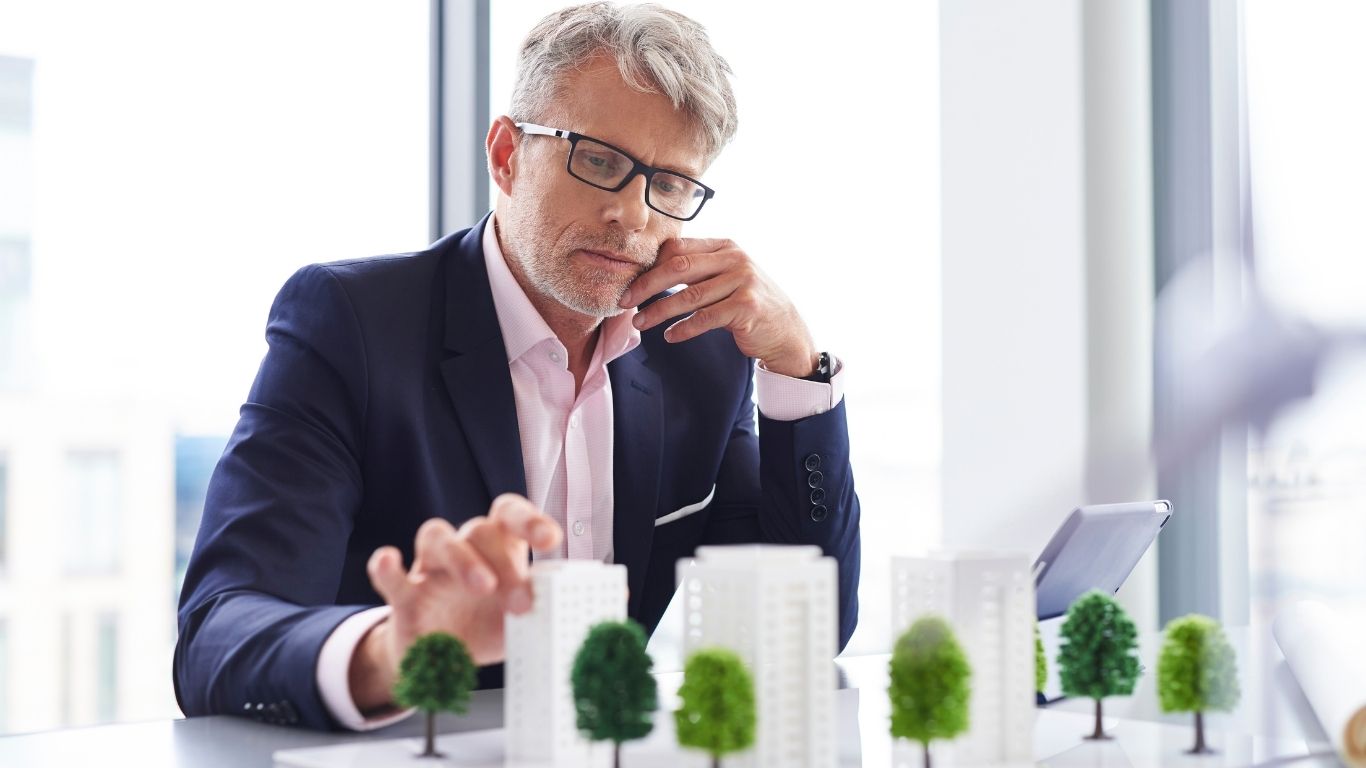


Real estate in 2026 is being shaped by three forces you cannot afford to ignore: sustainability, smart technology, and shifting market demands. Developers are weaving eco-friendly designs, renewable energy sources, and green certifications like LEED into projects at every price point. And on the tech side, smart home systems, the Internet of Things (IoT), and artificial intelligence are no longer novelties. They are now baseline expectations for serious buyers.
Remote work has permanently rewired what people want from their spaces. Demand for flexible workspaces, co-working environments, and short-term lease structures keeps climbing. At the same time, cities are reinventing themselves through mixed-use developments, green corridors, and upgraded transit networks, opening up real opportunity in neighborhoods that were off the radar just a few years ago.
The multifamily and rental market is on a strong run, fueled by affordability pressures and a generation that prioritizes flexibility over ownership. Developers are responding with purpose-built rental properties designed from the ground up for long-term tenants. In commercial real estate, the e-commerce boom is turning old retail floors into logistics and last-mile delivery hubs, while the explosion of streaming and digital content is pushing demand for studio and production spaces into new territory.
Sustainability and green initiatives
Green building is no longer a niche selling point. It is fast becoming the price of entry. Across the global luxury real estate market, developers are embedding energy-efficient designs, solar and geothermal energy sources, and responsibly sourced materials into their projects from day one. LEED certification has gone from a nice-to-have to a genuine competitive advantage, with tenants and buyers actively filtering for it. If a property cannot demonstrate strong sustainability credentials, you will find it increasingly difficult to justify the premium.

Technology integration
Technology is rewriting the rules of what a premium property actually delivers. By 2026, smart home integration is not a luxury upgrade. It is the baseline. Automated security, AI-driven energy management, and seamless convenience systems are what discerning buyers expect the moment they walk through the door. Beyond the unit itself, real estate firms are leaning hard into AI and big data analytics to sharpen property management, forecast demand, and identify value before the broader market catches on.
Remote work and flexible spaces
Remote work is not a temporary shift. It has fundamentally changed what professionals need from their living and working environments. Digital nomads and hybrid workers want spaces that pull double duty, and the appetite for co-working setups, shared offices, and flexible lease structures reflects that. If you are looking at real estate as an investment, properties that can adapt to this new rhythm of work carry a clear edge. Think versatile floor plans, strong connectivity infrastructure, and amenities that appeal to someone who treats their home as a professional base.
Urban revitalization and the opportunity hiding in plain sight
Cities are having a genuine renaissance. More people are gravitating back toward urban living, drawn by the energy, convenience, and cultural richness that no suburb can replicate. That pull is translating into serious investment in mixed-use developments that blend residential, commercial, and leisure under one roof. Vacant properties are being reimagined rather than razed, green spaces are being carved into formerly grey blocks, and public transit is getting the upgrades it has long needed. The smart move right now is to pay close attention to emerging neighborhoods before they fully arrive on everyone else’s radar. That is where the real growth story tends to begin.
The multifamily and rental market is on a serious growth run
Housing affordability is not getting easier, and lifestyle priorities are shifting. Together, those two forces are driving a sustained boom in the rental market that shows no sign of slowing through 2026. Developers are responding by building purpose-designed rental communities rather than adapting stock that was never meant for long-term tenancy. For investors who want steady cash flow alongside long-term capital growth, the multifamily sector deserves a serious look. The fundamentals are strong, and demand is not going anywhere.
Commercial real estate market
Commercial real estate is in the middle of a quiet but dramatic reinvention. The e-commerce surge has put enormous pressure on traditional retail, and the response has been a wave of adaptive reuse projects converting old shopping floors into logistics hubs, warehousing facilities, and last-mile delivery centres. At the same time, the streaming and online entertainment boom is generating real demand for studio and production spaces in markets you might not expect. Commercial property analysts are watching these conversion plays closely, and for good reason. The yields on well-executed repositioning projects can be compelling. If you own or are considering commercial assets, now is the time to honestly evaluate what each property could become.
Sustainable design, smart technology, and a shifting commercial sector are the three threads running through real estate right now. Staying sharp on these trends is what separates investors who spot opportunity early from those who pay full price once the market has already moved. Understanding which developers are ahead of these shifts is just as important as identifying the right location. Adapt early, and the long-term returns tend to follow.
You might also want to read about key factors to consider when buying a historic home before making your next move in the luxury property space.